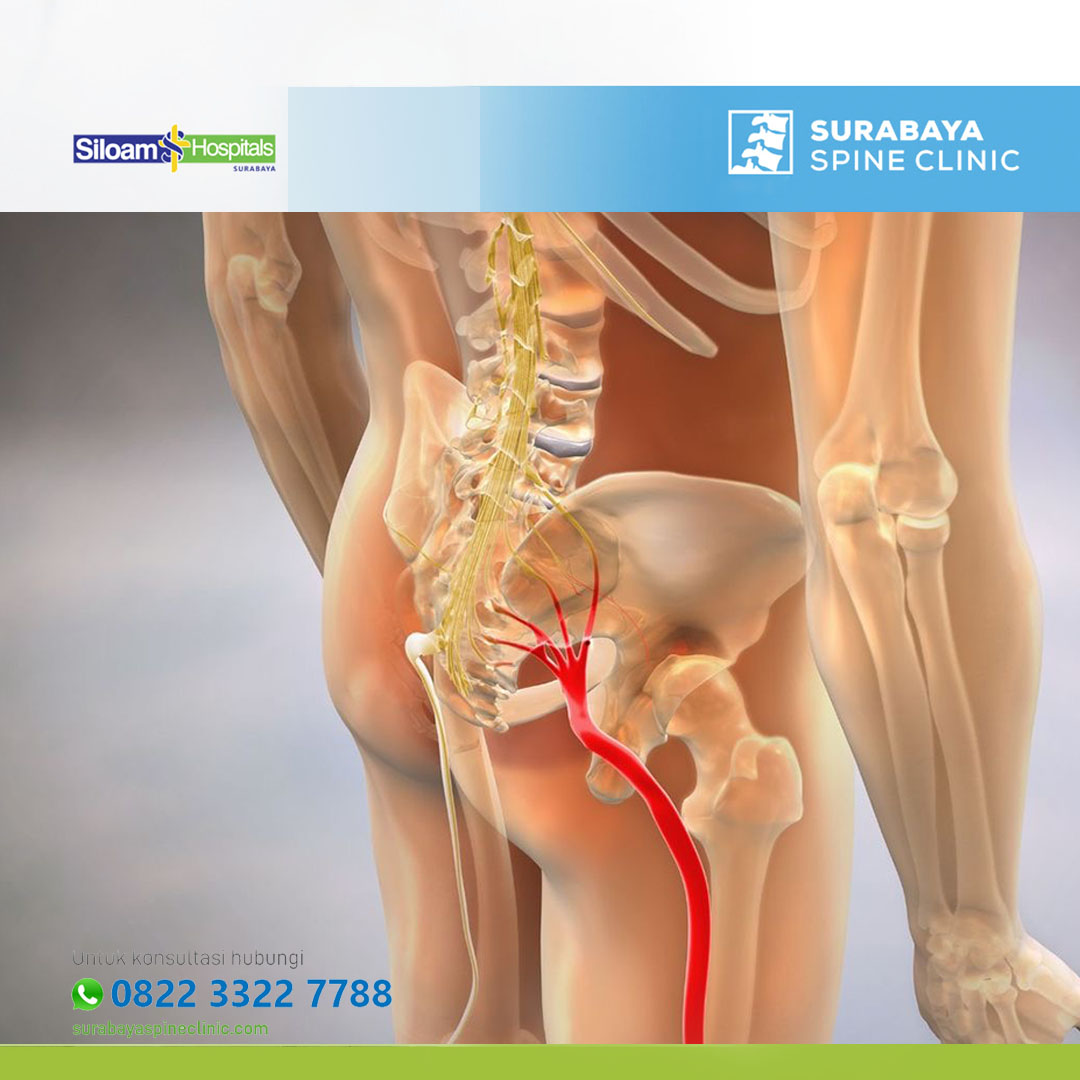
A pinched nerve, medically known as nerve compression, is a common condition that can cause pain, numbness, or tingling sensations. It occurs when surrounding tissues, such as bones, muscles, or tendons, press on a nerve, disrupting its function. Let’s delve into the characteristics of a pinched nerve, its causes, symptoms, diagnosis, treatment options, and prevention.
Common Causes of a Pinched Nerve
1.Injury or Trauma: Injuries from sports, car accidents, or falls can put pressure on nerves. Bone fractures or dislocations can damage surrounding tissues, causing a pinched nerve.
2.Herniated Disc: One of the most common causes of a pinched nerve in the lower back or neck is a herniated disc. When a spinal disc slips out of place, it can press against nearby nerves.
3.Poor Posture: Sitting for long periods or having poor posture can put excessive pressure on the spine and neck, leading to nerve compression.
4.Obesity: Excess body weight puts additional pressure on nerves and surrounding tissues, which can lead to nerve issues.
5.Arthritis: Inflammation of the joints can cause bones or joints to enlarge, putting pressure on nearby nerves and causing pain.
6.Repetitive Stress: Repetitive activities, such as typing or lifting heavy objects, can cause muscles to tighten and nerves to become compressed.
Symptoms of a Pinched Nerve
Symptoms of a pinched nerve can vary depending on the location and severity of the pressure. Common signs include:
Diagnosing a Pinched Nerve
Diagnosing a pinched nerve involves a physical examination and additional tests to identify the source and severity of the issue. The diagnostic process includes:
1.Physical Examination: A doctor will evaluate symptoms and examine the painful or numb area. They may ask the patient to perform certain movements to pinpoint the cause.
2.Imaging Tests: X-rays, MRI, or CT scans can provide a clearer picture of the bone structure, soft tissues, and the location of the pinched nerve.
3.Electromyography (EMG): This test measures electrical activity in muscles to determine if there is nerve damage.
Treatment Options for a Pinched Nerve
Treatment for a pinched nerve ranges from conservative therapies to surgery, depending on the severity of the symptoms and the cause. Options include:
1.Medications: Nonsteroidal anti-inflammatory drugs (NSAIDs) like ibuprofen can help reduce pain and inflammation. In more severe cases, stronger pain medications may be prescribed.
2.Physical Therapy: Stretching and strengthening exercises designed by a physical therapist can help relieve pressure on the nerve and prevent stiffness.
3.Steroid Injections: Corticosteroid injections can reduce inflammation in the affected area and provide short-term pain relief.
4.Surgery: If conservative therapy fails and pain persists, surgery may be necessary to relieve pressure on the nerve.
Home Remedies for Relieving a Pinched Nerve
Many mild to moderate cases of a pinched nerve can be managed with home remedies, such as:
1.Rest: Resting the affected area can prevent further inflammation. However, avoid complete inactivity for too long, as this can worsen stiffness.
2.Hot or Cold Compresses: Ice packs can reduce swelling, while warm compresses can relax stiff muscles.
3.Light Exercise: Gentle stretches and movements that do not cause pain can improve circulation and relieve pressure.
4.Adjust Sleep Position: Sleeping with a supportive pillow or on a comfortable mattress can help relieve nerve pressure.
Prevention Tips for Avoiding Pinched Nerves
Preventing a pinched nerve involves lifestyle changes and being mindful of daily activities:
While some cases improve with home remedies, there are instances when seeking medical attention is crucial, such as:
If left untreated, a pinched nerve can lead to serious complications, including:
Living with a pinched nerve can be challenging, but understanding the causes, symptoms, and treatment options can help manage the condition effectively. Paying attention to posture, maintaining a healthy weight, and engaging in regular exercise can prevent nerve compression. If symptoms persist, seeking medical care is essential to avoid complications. With the right treatment, many people can find relief and return to their normal activities pain-free.