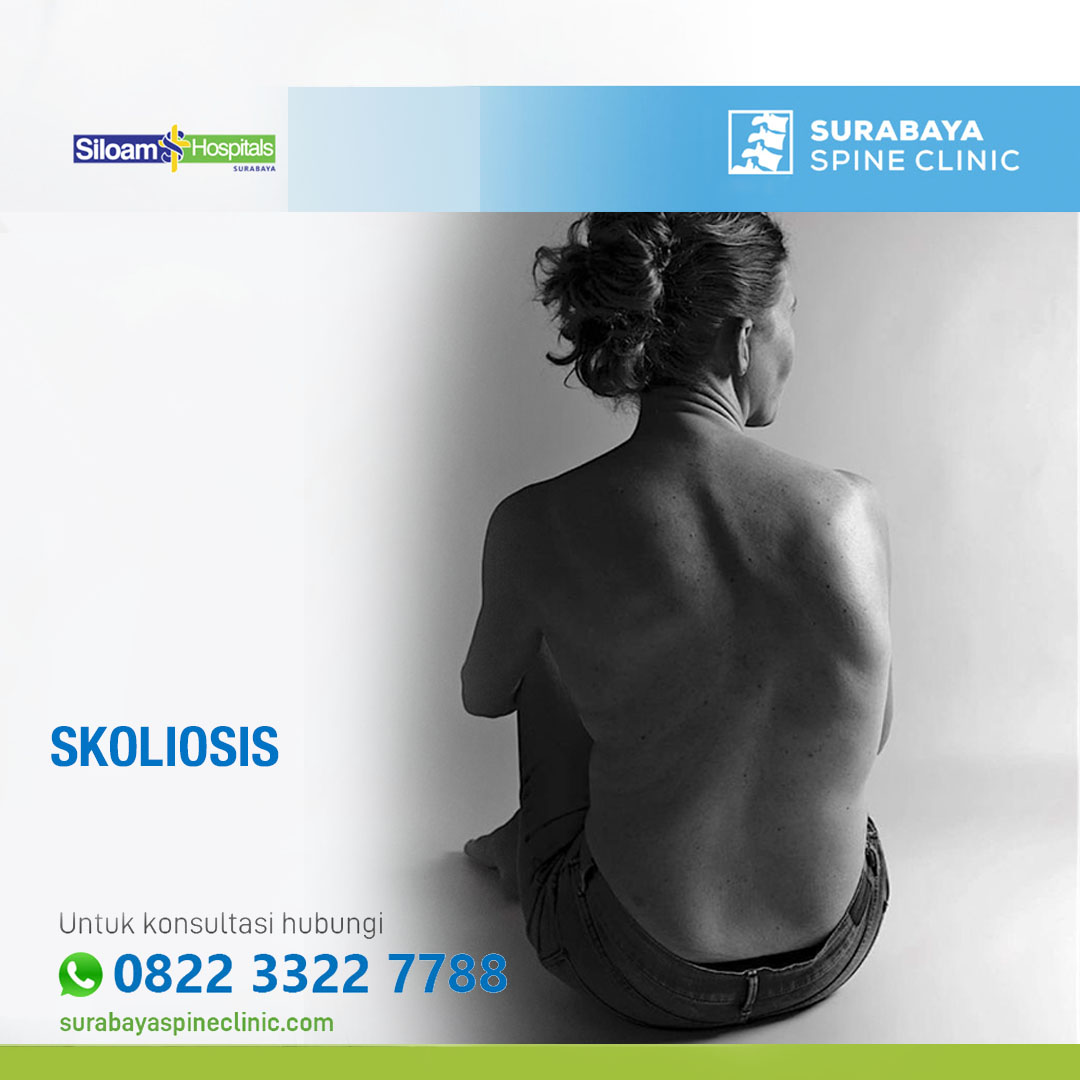
In today's digital age, we often hear about the importance of protecting ourselves against various threats – from cybersecurity to environmental hazards. But there's one invisible threat that often goes unnoticed until it becomes a serious problem: scoliosis. This spinal condition affects millions of people worldwide, yet many are unaware of its presence until they experience debilitating pain, reduced mobility, or cosmetic changes.
In this article, we will explore the insidious nature of scoliosis and provide you with valuable insights on how to safeguard yourself against this condition. Whether you're a concerned parent, an active athlete, or simply someone who wants to maintain a healthy spine, understanding the risk factors and preventative measures is essential.
From identifying the early signs of scoliosis to implementing effective lifestyle modifications, we'll equip you with the knowledge you need to protect your spine and live a pain-free life. Don't let scoliosis silently wreak havoc on your body – take proactive steps today to ensure a healthier future tomorrow.
What is scoliosis?
Scoliosis is a musculoskeletal disorder characterized by an abnormal curvature of the spine. Instead of the spine being straight, it curves sideways, forming an "S" or "C" shape. This curvature can occur at any point along the spine, from the neck to the lower back. While some degree of spinal curvature is normal, excessive curvature can lead to various complications.
The exact cause of scoliosis is often unknown, but it can be classified into two main categories: structural scoliosis and nonstructural scoliosis. Structural scoliosis is caused by underlying anatomical abnormalities, such as uneven leg lengths or birth defects. Nonstructural scoliosis, on the other hand, is temporary and typically caused by factors like muscle imbalances or posture problems.
Different types of scoliosis
Scoliosis can be further categorized into different types based on various factors. The most common types include:
1. Idiopathic scoliosis: This is the most prevalent form of scoliosis, accounting for approximately 80% of all cases. Idiopathic scoliosis has no known cause and typically develops during adolescence.
2. Congenital scoliosis: Congenital scoliosis is present at birth and occurs due to abnormal spinal development in the womb. It is often associated with other congenital conditions.
3. Neuromuscular scoliosis: This type of scoliosis is caused by underlying neuromuscular conditions, such as cerebral palsy or muscular dystrophy. The abnormal curvature is a result of weakened muscles or nerve damage.
4. Degenerative scoliosis: Degenerative scoliosis occurs in older adults and is caused by the natural wear and tear of the spine over time. It is typically associated with degenerative conditions, such as osteoarthritis or spinal stenosis.
Causes and risk factors of scoliosis
The exact causes of scoliosis remain unclear in many cases, but several risk factors have been identified. These risk factors can increase the likelihood of developing scoliosis:
1. Age: Scoliosis most commonly develops during adolescence when rapid growth occurs. However, it can also develop in infancy or adulthood.
2. Gender: Females are more likely to develop scoliosis than males. The reason for this gender difference is still not fully understood.
3. Family history: Scoliosis tends to run in families, suggesting a genetic component. If a close family member has scoliosis, the risk of developing the condition increases.
4. Neuromuscular conditions: Certain neuromuscular conditions, such as cerebral palsy or muscular dystrophy, can increase the risk of developing scoliosis.
5. Previous spine surgery: Individuals who have undergone previous spine surgery may be at a higher risk of developing scoliosis due to the altered structure of the spine.
Common symptoms of scoliosis
Scoliosis can manifest with a variety of symptoms, and the severity of these symptoms often depends on the degree of curvature. Common signs and symptoms of scoliosis include:
1. Uneven shoulders or waist: One shoulder or hip may appear higher than the other, causing an asymmetrical appearance.
2. Uneven ribcage: The ribcage may become more prominent on one side, leading to a visible bulge or hump.
3. Back pain: Some individuals with scoliosis may experience back pain, especially as the condition progresses.
4. Reduced range of motion: As the spine curves, it can restrict movement and lead to reduced flexibility.
5. Breathing difficulties: Severe cases of scoliosis can affect lung function, causing shortness of breath or difficulty breathing.
It's important to note that not all cases of scoliosis exhibit noticeable symptoms, which is why regular check-ups and screenings are crucial for early detection.
Diagnosing scoliosis - physical examination and imaging tests
Diagnosing scoliosis typically begins with a physical examination conducted by a healthcare professional. During the examination, the healthcare provider will assess the individual's posture, range of motion, and symmetry. They may also ask the individual to bend forward to assess any visible curvature of the spine.
If scoliosis is suspected, further imaging tests may be recommended to confirm the diagnosis and determine the severity of the condition. These tests may include:
1. X-rays: X-rays provide detailed images of the spine, allowing healthcare professionals to measure the degree of curvature.
2. MRI or CT scan: In certain cases, an MRI or CT scan may be ordered to assess the spinal cord, nerve roots, or underlying structures for any abnormalities.
Once a diagnosis is confirmed, the appropriate treatment plan can be established to manage the condition effectively.
Treatment options for scoliosis - braces, physical therapy, and surgery
The treatment options for scoliosis vary depending on factors such as the degree of curvature, the individual's age, and the presence of any associated symptoms. The main treatment options include:
1. Observation: In mild cases of scoliosis, particularly in growing children, healthcare professionals may opt for regular monitoring to ensure the curvature does not worsen.
2. Bracing: For individuals with moderate scoliosis, bracing may be recommended to prevent further progression of the curvature. Braces are typically worn for several hours a day and can help stabilize the spine.
3. Physical therapy: Physical therapy exercises can help strengthen the muscles surrounding the spine, improve flexibility, and reduce pain associated with scoliosis.
4. Surgery: In severe cases of scoliosis, surgery may be necessary to correct the curvature and stabilize the spine. The most common surgical procedure for scoliosis is spinal fusion, where bone grafts or implants are used to straighten the spine.
The appropriate treatment plan will be determined by the healthcare professional based on the individual's specific needs and the severity of the scoliosis.
Preventive measures for scoliosis
While the exact prevention of scoliosis is not possible in most cases, certain measures can help reduce the risk of developing severe curvature or complications. These preventive measures include:
1. Regular check-ups: Routine check-ups with a healthcare professional can help detect scoliosis early on, allowing for timely intervention and management.
2. Maintaining good posture: Encouraging good posture habits, such as sitting and standing upright, can help promote proper spine alignment and reduce the risk of developing postural scoliosis.
3. Exercise and physical activity: Engaging in regular exercise, particularly activities that strengthen the core muscles and promote flexibility, can help support a healthy spine.
4. Avoiding heavy backpacks: Carrying heavy backpacks can strain the muscles and contribute to poor posture. It's important to distribute weight evenly and use backpacks with proper support.
By following these preventive measures, individuals can take proactive steps to reduce the risk of developing severe scoliosis and its associated complications.
Exercises and stretches to improve scoliosis
Exercise and stretching can play a vital role in managing scoliosis by promoting spinal mobility, strengthening muscles, and improving posture. Here are some exercises and stretches that can help improve scoliosis:
1. Cat-Cow stretch: Start on all fours with a neutral spine. Arch your back towards the ceiling while tucking your chin to your chest (cat pose). Then, lift your chest towards the ceiling while extending your tailbone (cow pose). Repeat this movement for several repetitions.
2. Side plank: Lie on your side with your forearm on the ground and your feet stacked on top of each other. Lift your hips off the ground, creating a straight line from your head to your feet. Hold this position for 30 seconds, then switch sides.
3. Seated forward bend: Sit on the floor with your legs extended in front of you. Slowly bend forward from your hips, reaching towards your feet. Hold this stretch for 30 seconds while maintaining a straight spine.
4. Wall angels: Stand with your back against a wall and your arms extended at shoulder height. Slide your arms up and down the wall, focusing on keeping your back and arms in contact with the wall at all times.
It's important to consult with a healthcare professional or a qualified physical therapist before starting any exercise regimen to ensure proper technique and safety.
Living with scoliosis - managing pain and maintaining a healthy lifestyle
Living with scoliosis involves a multidimensional approach that focuses on managing pain, maintaining a healthy lifestyle, and seeking support when needed. Here are some tips for individuals living with scoliosis:
1. Pain management: If scoliosis causes discomfort, over-the-counter pain relievers or prescribed medications can help alleviate pain. Heat therapy, such as warm compresses or hot baths, can also provide temporary relief.
2. Regular physical activity: Engaging in low-impact exercises, such as swimming or yoga, can help improve flexibility, strengthen muscles, and reduce pain associated with scoliosis.
3. Healthy diet: A balanced diet rich in nutrients, particularly calcium and vitamin D, can support bone health and overall well-being. It's important to consult with a healthcare professional or a registered dietitian to ensure dietary needs are met.
4. Seeking support: Joining support groups or connecting with others who have scoliosis can provide emotional support and valuable insights on managing the condition.
5. Regular check-ups: Ongoing monitoring through regular check-ups with a healthcare professional is essential to track the progression of scoliosis and make any necessary adjustments to the treatment plan.
By adopting a holistic approach to managing scoliosis, individuals can minimize the impact of the condition and lead fulfilling lives.
Conclusion
Scoliosis may be an invisible threat, but it doesn't have to remain unnoticed. By understanding the risk factors, recognizing the early signs, and implementing preventive measures, you can safeguard yourself against this condition. Regular check-ups, maintaining good posture, engaging in regular exercise, and seeking appropriate treatment when necessary are key to protecting your spine and living a pain-free life.
Remember, scoliosis is manageable, and with the right knowledge and support, you can take control of your spinal health. Don't let scoliosis silently wreak havoc on your body – take proactive steps today to ensure a healthier future tomorrow.
Sources:
- Mayo Clinic. (2021). Scoliosis. https://www.mayoclinic.org/diseases-conditions/scoliosis/symptoms-causes/syc-20350716
- National Scoliosis Foundation. (n.d.). Types of Scoliosis. https://www.scoliosis.org/types-of-scoliosis/