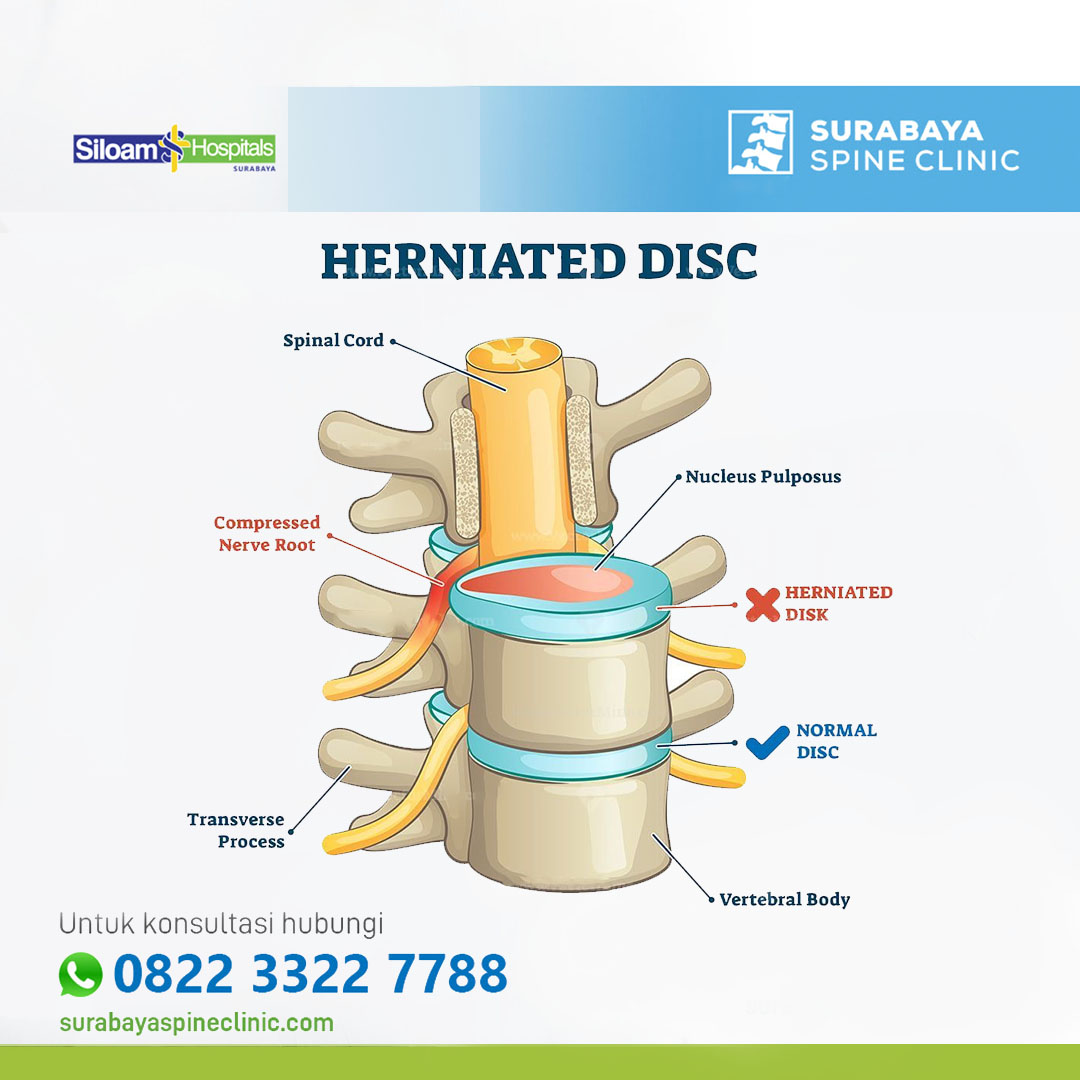
Are you experiencing back pain that radiates down your leg? It could be a symptom of a herniated nucleus pulposis (HNP) or pinched nerve in common term, a common spinal condition affecting millions of people worldwide. In this article, we will delve into the causes, symptoms, and treatment options available for HNP to help you understand this condition better.
HNP occurs when the soft, gel-like substance in the intervertebral discs of your spine slips out of place and compresses the surrounding nerves. This can cause pain, numbness, tingling, and weakness in the affected area. There are several factors that can contribute to the development of HNP, including age, genetics, and repetitive strain on the spine.
Fortunately, there are various treatment options available for HNP, ranging from conservative methods such as physical therapy and medication to more invasive procedures like epidural injections or surgery. The choice of treatment depends on the severity of your symptoms and the recommendation of your healthcare provider.
By understanding the causes, symptoms, and treatment options for HNP, you can take a proactive approach to managing your condition and finding relief from the discomfort it brings. Read on to learn more about this common spinal disorder and how to effectively address it.
What is a herniated nucleus pulposis (HNP)?
A herniated nucleus pulposis, also known as a herniated disc or a slipped disc, occurs when the soft, gel-like substance in the intervertebral discs of your spine slips out of place and compresses the surrounding nerves. These discs act as cushions between the vertebrae, providing flexibility and shock absorption to the spine. When a disc herniates, it can cause pain, numbness, tingling, and weakness in the affected area.
HNP can occur in any part of the spine, but it is most commonly seen in the lower back (lumbar region) and the neck (cervical region). The herniation can be classified into different types based on the location and severity of the disc displacement. Understanding the specific type of HNP you have can help guide your treatment options.
Causes of herniated nucleus pulposis
There are several factors that can contribute to the development of HNP. One of the primary causes is age-related degeneration of the intervertebral discs. As we age, the discs lose their water content and become less flexible, making them more prone to herniation. Genetics also play a role, as some individuals may inherit a predisposition to disc problems.
In addition to age and genetics, repetitive strain on the spine can increase the risk of developing HNP. Jobs or activities that involve heavy lifting, twisting, or bending can put excessive pressure on the discs, leading to their herniation. Poor posture, obesity, and a sedentary lifestyle can also contribute to the development of HNP.
Common symptoms of herniated nucleus pulposis
The symptoms of HNP can vary depending on the location and severity of the herniation. In some cases, individuals may experience no symptoms at all, while others may have debilitating pain and functional limitations. The most common symptoms of HNP include:
1. Pain: The most prevalent symptom of HNP is localized pain in the area of the herniation. The pain may be sharp, shooting, or dull, and it can radiate to the buttocks, legs, or arms, depending on the location of the herniation.
2. Numbness and tingling: Compression of the nerves by the herniated disc can lead to sensations of numbness and tingling in the affected area. This can range from a mild tingling sensation to a complete loss of sensation.
3. Muscle weakness: If the nerves that control the muscles are affected, it can result in muscle weakness. This weakness may manifest as difficulty lifting objects, walking, or performing other activities that require strength.
It is important to note that the symptoms of HNP can vary from person to person, and they may worsen with certain movements or activities. If you experience any of these symptoms, it is essential to seek medical attention for a proper diagnosis and treatment plan.
Diagnosing herniated nucleus pulposis
Diagnosing HNP starts with a comprehensive medical history and physical examination. Your healthcare provider will ask about your symptoms, their duration, and any factors that worsen or alleviate them. They will also perform a physical examination to assess your range of motion, reflexes, and muscle strength.
To confirm the diagnosis and determine the location and severity of the herniation, additional tests may be ordered. These may include:
1. Imaging tests: X-rays, magnetic resonance imaging (MRI), or computed tomography (CT) scans can provide detailed images of the spine, allowing healthcare providers to visualize the herniated disc and its impact on the surrounding structures.
2. Electromyography (EMG): EMG involves the insertion of small needles into the muscles to measure their electrical activity. This test can help identify any nerve damage or dysfunction caused by the herniated disc.
Once a diagnosis is confirmed, your healthcare provider will discuss the available treatment options based on the severity of your symptoms and the impact on your daily life.
Non-surgical treatment options for herniated nucleus pulposis
In many cases, conservative, non-surgical approaches are effective in managing the symptoms of HNP. These treatment options aim to reduce pain, inflammation, and muscle spasms while improving mobility and function. Some common non-surgical treatment options for HNP include:
1. Physical therapy: Physical therapy is often recommended to strengthen the muscles supporting the spine, improve flexibility, and correct posture. Therapists may use techniques such as manual therapy, exercises, and modalities like heat or ice to alleviate pain and promote healing.
2. Medication: Over-the-counter pain relievers, such as nonsteroidal anti-inflammatory drugs (NSAIDs), may help reduce pain and inflammation associated with HNP. In some cases, stronger prescription medications or muscle relaxants may be prescribed to manage severe pain or muscle spasms.
3. Epidural injections: Corticosteroid injections into the epidural space around the affected nerve can provide temporary relief from pain and inflammation. These injections are typically performed under guided imaging, such as fluoroscopy or ultrasound, to ensure accurate placement.
Non-surgical treatment options are generally the first line of treatment for HNP, as they are less invasive and carry fewer risks compared to surgery. However, if conservative methods fail to provide adequate relief or if there are severe neurological symptoms, surgical intervention may be necessary.
Surgical treatment options for herniated nucleus pulposis
Surgery for HNP is considered when non-surgical treatments have been unsuccessful or when there is significant nerve compression causing severe pain, weakness, or loss of function. The specific surgical procedure recommended will depend on the location, severity, and individual factors.
1. Discectomy: A discectomy involves the removal of the herniated portion of the disc to relieve pressure on the compressed nerve. This can be performed through different approaches, including traditional open surgery or minimally invasive techniques.
2. Microdiscectomy: Microdiscectomy is a minimally invasive procedure that uses specialized instruments and a small incision to access and remove the herniated disc. This approach allows for a quicker recovery and less damage to surrounding tissues compared to traditional open surgery.
3. Laminectomy: In cases where the herniation is causing spinal stenosis, a laminectomy may be performed. This procedure involves removing a portion of the vertebra called the lamina to create more space for the compressed nerves.
The choice of surgical procedure will depend on various factors, including the location of the herniation, the patient's overall health, and the surgeon's expertise. It is important to discuss the potential risks, benefits, and expected outcomes with your healthcare provider before deciding on surgery.
Rehabilitation and recovery after herniated nucleus pulposis surgery
Rehabilitation plays a crucial role in the recovery process after HNP surgery. Physical therapy is typically recommended to help restore strength, flexibility, and function. The specific exercises and techniques used will depend on the surgical procedure performed and the individual's specific needs.
During the initial recovery period, it is important to follow the post-operative instructions provided by your healthcare team. This may include restrictions on certain activities, such as lifting heavy objects or bending, to allow for proper healing. Gradually, as the healing progresses, physical therapy will focus on gradually increasing mobility and strength.
The duration of the rehabilitation and recovery process can vary depending on the individual and the surgical procedure performed. It is important to be patient and follow the guidance of your healthcare team to optimize your recovery and reduce the risk of complications.
Preventing herniated nucleus pulposis
While it may not always be possible to prevent HNP, there are steps you can take to reduce your risk and promote spine health. Some preventive measures include:
1. Maintaining a healthy weight: Excess weight puts additional strain on the spine, increasing the risk of disc degeneration and herniation. Maintaining a healthy weight through a balanced diet and regular exercise can help reduce this risk.
2. Practicing good posture: Proper posture helps distribute the forces on the spine evenly, reducing the risk of excessive pressure on the discs. Avoid slouching or sitting for prolonged periods and make an effort to maintain good posture throughout the day.
3. Lifting and moving objects safely: When lifting heavy objects, use your legs instead of your back to minimize strain on the discs. Avoid twisting or jerking motions while lifting, and use proper lifting techniques.
4. Staying active: Regular exercise, particularly activities that strengthen the core muscles and promote flexibility, can help support the spine and reduce the risk of disc herniation. Consult with a healthcare professional before starting any exercise program.
By incorporating these preventive measures into your lifestyle, you can reduce the risk of developing HNP and promote the overall health of your spine.
Complications and risks associated with herniated nucleus pulposis
While most cases of HNP can be effectively managed with conservative or surgical treatments, there are potential complications and risks to be aware of. Some of these include:
1. Recurrence: In some cases, a herniated disc can reoccur after treatment, especially if the underlying factors that contributed to the initial herniation are not addressed. Following a comprehensive treatment plan and adopting preventive measures can help minimize the risk of recurrence.
2. Infection: Any surgical procedure carries a risk of infection. It is important to follow the post-operative instructions provided by your healthcare team to reduce the risk of infection. Signs of infection include increased pain, redness, swelling, or drainage from the surgical site.
3. Nerve damage: Although rare, there is a potential risk of nerve damage during surgical procedures for HNP. This can result in persistent pain, weakness, or sensory loss. It is essential to discuss the potential risks and benefits of surgery with your healthcare provider.
4. Adverse reactions: Some individuals may experience allergic reactions or adverse effects from medications or injections used to manage HNP symptoms. It is important to inform your healthcare provider about any known allergies or previous adverse reactions to medications.
Conclusion
Herniated nucleus pulposis (HNP) is a common spinal condition that can cause significant pain and functional limitations. Understanding the causes, symptoms, and treatment options for HNP is crucial in effectively managing the condition and finding relief from the discomfort it brings.
Whether you opt for non-surgical treatments such as physical therapy and medication or decide to undergo surgery, it is important to work closely with your healthcare provider to develop a personalized treatment plan. By incorporating preventive measures into your lifestyle and following the recommended treatment options, you can take a proactive approach to managing HNP and promoting the health of your spine. Remember to consult with a healthcare professional for an accurate diagnosis and guidance tailored to your specific needs.