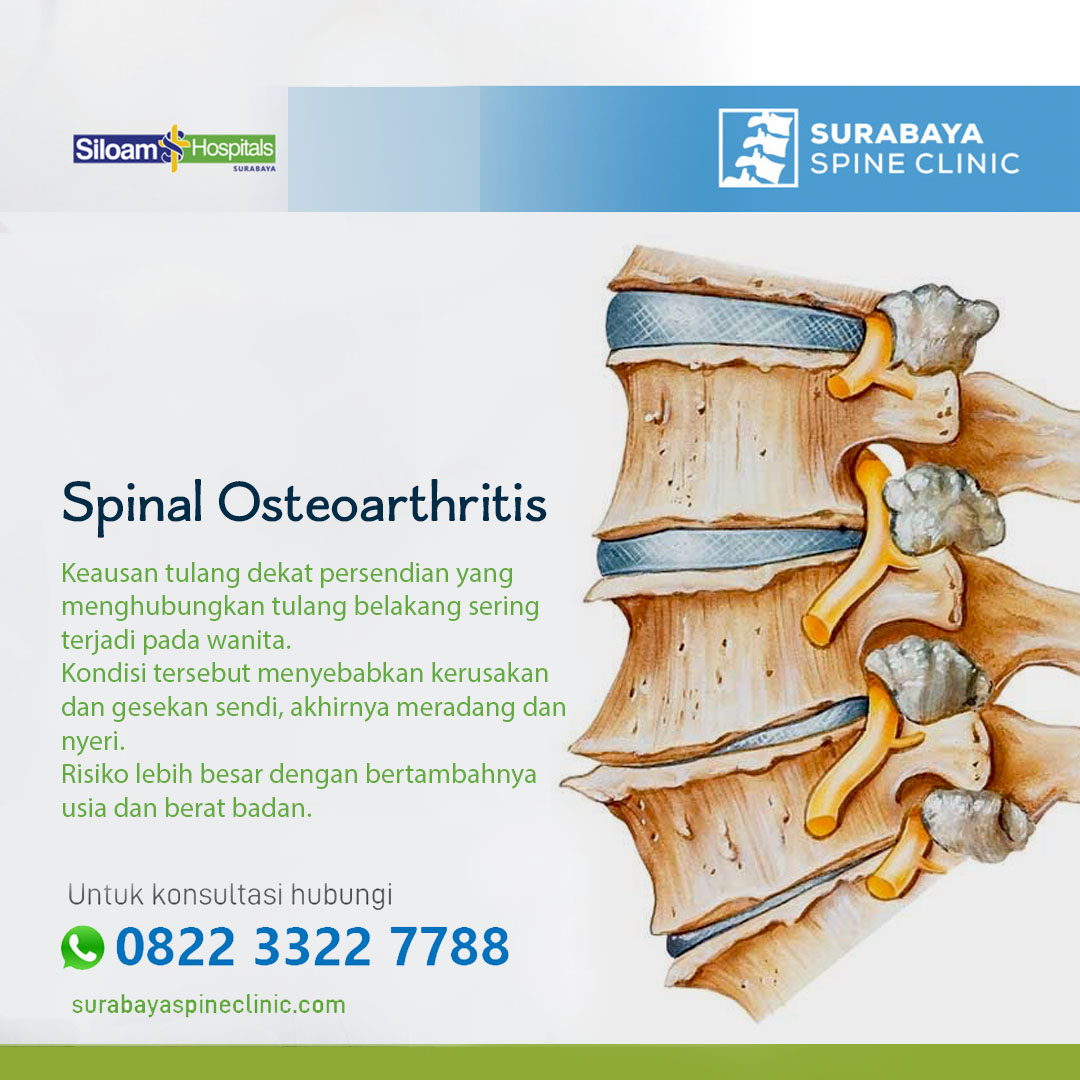
What is Spinal Osteoarthritis?
Spinal osteoarthritis, also known as osteoarthritis of the spine or spondylosis deformans, is a medical condition that occurs when the cartilage lining the joints in the spine begins to wear down and degenerate. This is a type of osteoarthritis that specifically affects the spine, especially in the area of the vertebrae and the joints that connect them. This condition generally develops with age and can cause pain and impaired spinal mobility.
Causes of Spinal Osteoarthritis:
Spinal osteoarthritis is generally caused by several factors, including:
Aging: The natural process of aging results in wear and tear of the cartilage that lines the joints.
Repetitive stress: Repeated physical activity or heavy stress on the spine over many years can accelerate degeneration.
Injury: Previous injury or trauma to the spine can be the cause.
Genetic Factors: A family history of osteoarthritis can also increase the risk.
Symptoms of Spinal Osteoarthritis:
Symptoms of spinal osteoarthritis can vary in severity, including:
Pain: Pain in the lower back or neck that can be worse with movement or lifting weights.
Stiffness: Stiffness in the spinal area, especially after rest such as getting out of bed.
Restricted Movement: Difficulty in performing certain spinal movements or activities.
Discomforting Sensation: Sensation of numbness or numbness in the affected area.
Diagnosis and Treatment:
Diagnosis of spinal osteoarthritis involves a medical history, physical examination, and imaging such as an X-ray or MRI to see changes in the spine. Treatment includes:
Pain Management: Use of pain relievers and anti-inflammatory drugs to relieve pain and inflammation.
Physical Therapy: Exercises specifically designed to strengthen the supporting muscles of the spine and maintain flexibility.
Massage Therapy and Manipulation: Therapists can help relieve stiffness and pain through massage and manipulation techniques.
Warming and Cooling: These methods can help relieve pain and discomfort.
Surgery (Rare): Surgery may be taken as a last resort in very severe cases that do not respond to conservative treatment.