Many patients with osteoarthritis and degenerative discs report that the following other treatments are helpful for managing the pain level of their condition. Some of them are as follows:
1. Therapy massage
Therapeutic massage can help reduce osteoarthritis pain and improve circulation. It can also help in reducing stress and muscle tension. However, it is important to find a professional who is specifically trained in treating people with arthritis.
2. Manipulation
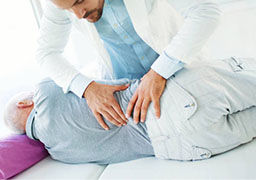
For chronic symptoms or to relieve severe pain from osteoarthritis in the neck or lower back, manipulation (such as chiropractic or osteopathic manipulation) may be recommended but should be monitored closely because the practice of chiro itself is still controversial in the medical world.
The philosophy of manipulation is that joint dysfunction in the spine can produce pain, and mobilizing the spinal joints through manipulation (also called adjustment) can reduce that pain.
Because osteoarthritis is a joint dysfunction, it can respond well to mobilization. Manipulation is most often performed by a trained and licensed chiropractor, doctor of osteopathic medicine or physical therapist. A less powerful type of manipulation, called traction, can also be used, for example, gravitational traction using an adjusting block.
3. Relaxation
Relaxation and stress management techniques can help patients learn how to reduce muscle tension thereby reducing pain, and there are other cognitive and behavioral techniques that also teach patients how to control their own pain.
Examples of proven techniques that help manage stress and relaxation include controlled breathing, meditation, biofeedback, and self-hypnosis.
4. Transcutaneous Electrical Nerve Stimulation (TENS)
This type of therapy uses a small amount of electricity to reduce the sensitivity of the nerves around the spine. This treatment has few side effects and is non-invasive; however, not all patients receive pain relief. Usually, a physical therapist or physiotherapist will prescribe a TENS unit and instruct the patient on its proper use.
5. Acupuncture
This technique involves inserting ultra-fine needles at specific points on the skin. Most people report a tingling sensation, feeling relaxed or even energized. Some people have found acupuncture helpful for their osteoarthritis pain, and the NIH has found it useful as a treatment for low back pain and many other conditions including osteoarthritis.
Acupuncture is considered a safe medical treatment. For this reason, many doctors and practitioners believe that acupuncture is a useful treatment as an adjunct to other medical treatments, and/or as an alternative to medical treatments. In certain situations, acupuncture may be used in combination with conventional painkillers, or to replace them all together.
6. Tools
There are a variety of assistive devices or support devices that can be prescribed to provide additional support for the back and to help reduce arthritis pain by limiting movement in the back and reducing pressure on the spine. Spinal braces may involve a neck collar or lumbar girdle.
Other assistive devices may include a cane or walker to help the patient move more easily and with less pain. A physical therapist can recommend appropriate support devices. An occupational therapist may be consulted to identify additional devices that can help the patient to function better at home and/or at work. Prolonged use of this support device will cause additional muscle weakness, so patients should use this only as directed by a medical professional.
7. Maintaining the Right Weight
Patients with spinal osteoarthritis who are overweight or obese will benefit from excess weight loss. When appropriate, weight loss can greatly reduce stress on weight-bearing joints and limit further joint injury.
Weight control during middle age can also help prevent osteoarthritis in later years. A healthy diet and regular exercise are needed to help lose weight. Dietitians can help patients develop a healthy eating program that will help them lose excess weight and maintain the appropriate weight and nutrient mix in the long term. Active exercise, which burns more calories, also helps with weight loss.
8. Implementing a Healthy Lifestyle
One of the most important things a patient can do is take care of themselves and adopt overall healthy lifestyle habits. Examples of specific healthy lifestyle habits include: getting enough rest, limiting alcohol and caffeine, not smoking, managing stress, and using good body mechanics for daily activities (such as carrying a backpack instead of a purse and lifting with your feet instead of your feet). behind).
It is advisable to consult a doctor about lifestyle habits and recommendations and about programs designed to develop and strengthen these good habits.
9. Traditional Medicine
There are various other treatments that can be discussed regarding osteoarthritis, such as wearing copper bracelets, drinking herbal teas, or taking mud baths. However, there is no scientific research to date that shows this approach is helpful in treating osteoarthritis.
The majority of treatment options reviewed in this article are also treatment options for symptomatic degenerative disc disease. This is because osteoarthritis and degenerative disc disease represent painful movement segments in the spine.
This article is based on findings in the field, and does not intend to recommend any of the methods mentioned above. The suitability of therapy still has to go back to the doctor in charge, if you want to take one of the types of therapy above, please consult us first.